Esten: A Bold Display Font for Creative Projects
There I was, staring at a blank brand board, trying to figure out how to make the logo stand out. The client wanted something that felt both modern and artistic, something that could capture attention without being overwhelming. That’s when I reached for Esten.
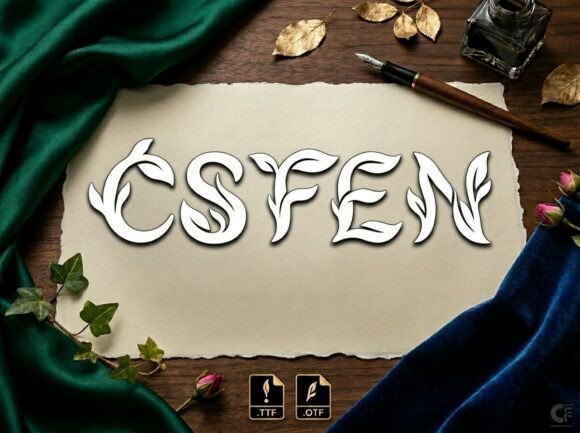
Esten is a stunning decorative display font designed to be the center of attention. Featuring unique artistic elements and a strong visual personality, this font is perfect for creators who want to make a statement. As a graphic designer, I’ve found that it brings a level of sophistication and flair that can elevate any project, especially when working on branding for small businesses with a creative edge.
Esten for Logo Design and Brand Identity
When I first tested Esten on a logo draft, I was immediately struck by its boldness and distinct character. It’s not just a font—it feels like an extension of the brand’s personality. The subtle flourishes and intricate details give it a handcrafted feel, making it ideal for brands that want to convey artistry and uniqueness.
I used Esten for a boutique skincare brand’s logo, and it worked beautifully. The font added a sense of elegance while still maintaining a friendly, approachable vibe. It wasn’t too flashy, but it definitely made the brand stand out in a crowded market. For logo design, Esten works best as a headline or accent font, especially when paired with a simpler typeface to balance the composition.
Esten for Packaging Design and Product Labels
One of the first real-world applications I tried was on product labels for a handmade soap business. The font’s visual appeal made the labels feel more premium, which aligned perfectly with the brand’s image. The unique elements in Esten gave each label a distinct look, helping the products feel more personal and artisanal.
It also worked well on packaging mockups. Whether it was a sticker for a jar or a tag on a product box, Esten added a touch of personality that made the overall design feel more cohesive. I noticed that the font held up well even at smaller sizes, which is crucial for product labels where space is limited.
Esten for Social Media Graphics and Website Headers
As a designer, I often find myself working on social media graphics and website headers. Esten has proven to be a valuable tool in those areas. Its strong visual presence makes it perfect for headlines, call-to-action buttons, and promotional banners.
I used Esten on a homepage hero section for a local restaurant’s website. The font’s artistic elements helped create a visually engaging layout that caught the eye and encouraged users to explore further. It also worked well in Instagram posts, where it added a sense of style and professionalism without overpowering the content.
Esten for Editorial Design and Print Materials
For a recent editorial project, I needed a font that could add a touch of creativity without sacrificing readability. Esten fit the bill perfectly. It was used in a magazine spread about local artists, and its distinctive look complemented the theme of the issue.
On printed marketing materials like flyers and posters, Esten provided a strong visual anchor. It worked well in short-form text, such as event titles or promotional slogans, where clarity and impact are key. The font’s structure allowed it to maintain legibility even when used in larger sizes, which is important for print work.
Testing Esten Before Finalizing a Brand System
Before committing to a full brand system, I always recommend testing a font in multiple contexts. With Esten, I created mockups for different applications—business cards, signage, and digital assets—to see how it would perform across platforms.
One thing I noticed was that Esten looked best when used sparingly. It’s a strong font, so using it too much could overwhelm the design. I found that pairing it with a clean sans serif or a simple serif font helped create a balanced and professional look.
Esten and Font Pairing Strategies
Font pairing is an essential part of any design project, and Esten offers a lot of flexibility. When working with a client, I often suggest combining it with a complementary typeface to enhance readability and visual harmony.
A great pairing for Esten is a classic serif font, which adds a timeless feel to the design. Alternatively, a modern sans serif can provide a contrast that highlights the font’s artistic elements. I’ve also experimented with script fonts for a more handwritten look, which can be effective for certain brand identities.
Considering Font Features and Licensing
When working with clients, it’s important to consider the technical aspects of a font. Esten includes multiple weights and styles, which gives designers more options for different applications. I checked the file formats and licensing terms before using it in a commercial project, and everything was clear and straightforward.
The font also supports multilingual characters, which is a big plus for international brands. It’s always reassuring to know that the font will work across different languages and scripts without issues.
Using Esten in Client Work and Commercial Projects
One of the most rewarding parts of using Esten has been seeing how it enhances client work. Whether it’s a small café’s signage or a boutique’s packaging, the font consistently adds a level of creativity and polish that elevates the overall design.
For commercial projects, Esten is a reliable choice that delivers both aesthetic and functional benefits. It’s a premium font that doesn’t compromise on quality, making it a great investment for designers who want to deliver high-impact results.